Engine Rebuild vs Replacement: Which Makes Sense for an Older Truck?
Compare engine rebuild, engine replacement, and truck replacement for an older heavy-duty diesel truck. Learn what factors affect the decision.
Choosing between an engine rebuild, engine replacement, or replacing an older truck requires more than comparing the initial repair estimates. The better option depends on the type and extent of engine damage, whether the existing engine remains rebuildable, the condition of the rest of the truck, expected remaining service life, downtime, and future repair exposure. Fleetgo provides heavy-duty engine repair and rebuild services in Edmonton, making these factors relevant when deciding how far to invest in an older unit.
When an Engine Problem Becomes a Major Repair Decision
An engine problem commonly becomes a major repair decision when diagnosis indicates that substantial internal engine work or complete engine replacement may be required. At that point, the question is not simply whether the failed component can be repaired. The decision is whether the required investment is justified by the condition and expected future use of the truck.
The cause and extent of the failure matter because different types of damage create different repair options. Damage that leaves the major engine structure serviceable may support rebuilding, while severe block damage, extensive overheating damage, major lubrication-related failure, or repeated internal failures can make replacement more practical.
When Rebuilding the Existing Engine Makes Sense
Rebuilding makes the most sense when the existing engine has a suitable core, meaning the major reusable engine components can still be restored within acceptable limits, the cause of the failure can be corrected, and the truck has enough remaining service life to justify the work.
A rebuild should be compared against the expected condition of the completed engine and the amount of uncertainty involved. If inspection reveals substantially more damage than anticipated, the cost advantage over a replacement engine can narrow or disappear.
The Truck Is Still Mechanically and Structurally Sound
Major engine work is easier to justify when the truck surrounding the engine remains in serviceable condition. Frame and chassis condition, drivetrain health, suspension condition, emissions-system reliability, electrical condition, and repair history all affect whether the vehicle is worth retaining.
Age and mileage alone do not determine whether rebuilding makes sense. A well-maintained older truck without major pending repairs can be a stronger rebuild candidate than a lower-mileage truck with significant problems developing across several systems.
The Engine Has a Rebuildable Core
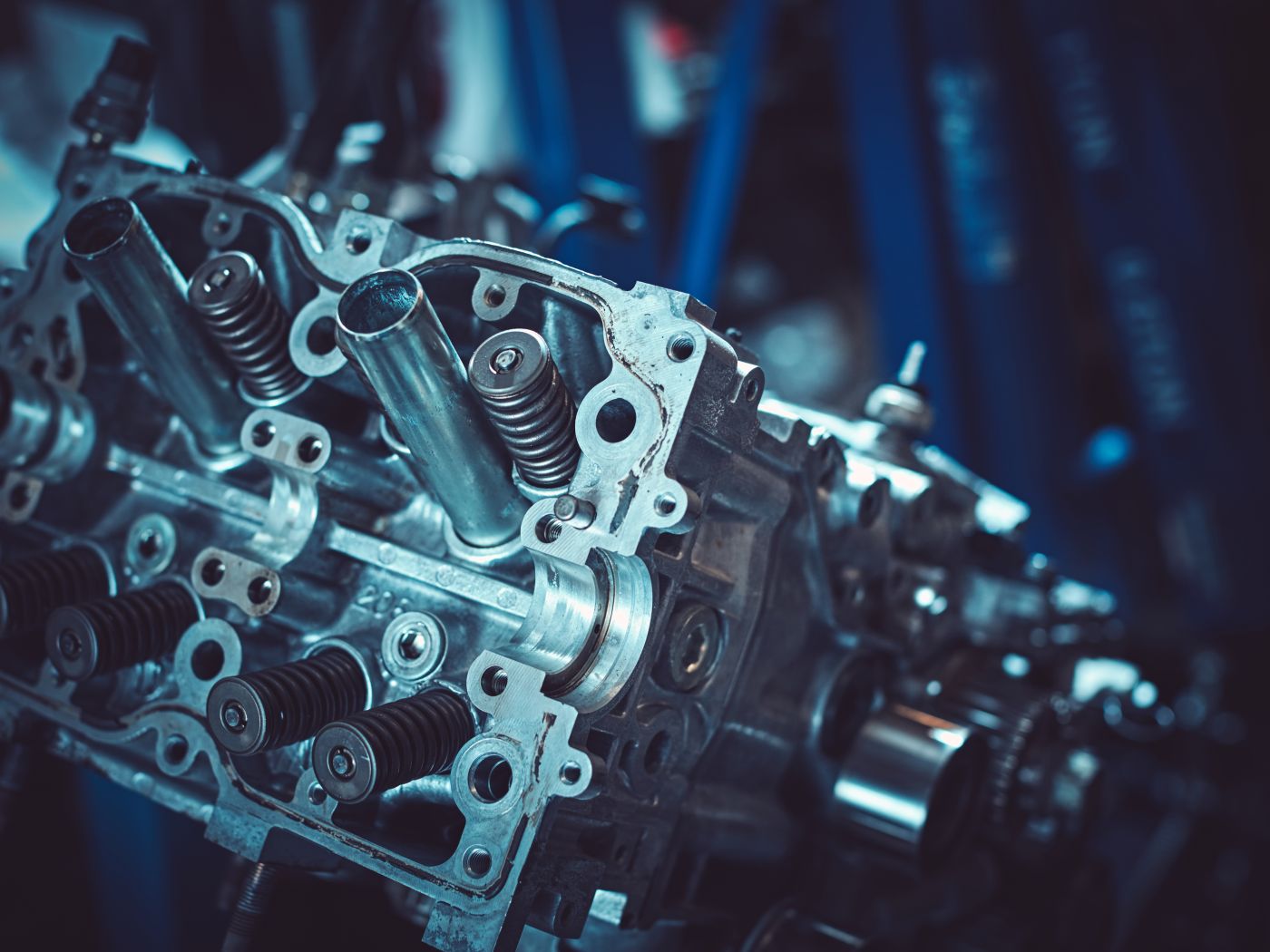
A rebuild depends on whether the major engine components remain suitable for restoration. Inspection may be required to determine the condition of the block, crankshaft, cylinder head, cylinders or liners where applicable, and other internal components before the full rebuild scope is known.
Certain types of damage can make rebuilding impractical or increase uncertainty. Examples include non-repairable block damage, extensive heat-related distortion, severe lubrication-related damage, or failures that have compromised several major components that would otherwise be reused.
The original cause of the failure also needs to be identified. Rebuilding the engine without correcting a contributing cooling, lubrication, fuel, air, or related system problem can expose the repaired engine to another failure.
The Truck Still Has Useful Service Life Ahead
A rebuild is easier to justify when the truck is expected to remain productive long enough for the investment to provide meaningful operating value. Remaining service life should be evaluated using the truck's overall condition and intended use rather than a mileage threshold alone.
Annual utilization, duty cycle, maintenance history, corrosion, drivetrain condition, and planned fleet replacement timing all influence that decision. The investment becomes harder to justify when the projected repair cost represents a large share of the useful service and operating value the truck is expected to provide during the remaining ownership period.
When Engine Replacement May Be the Better Option
Engine replacement becomes more attractive when rebuilding the existing engine would require extensive work, involve substantial uncertainty, or keep the truck unavailable longer than installing an appropriate replacement engine.
Replacement engines may be used, rebuilt, remanufactured, or new depending on the application and availability. Their condition, warranty, cost, and expected service life can differ substantially, so the actual replacement engine being considered should be compared against the rebuild option rather than treating all replacements as equivalent.
The Existing Engine Has Severe or Repeated Damage
Extensive engine damage can make rebuilding less practical because a larger portion of the original engine may require machining, repair, or replacement. Non-repairable block damage, extensive heat-related distortion, or damage affecting multiple major reusable components can make rebuilding unusually costly or uncertain.
Repeated major failures also change the risk calculation. If an engine has experienced recurring internal problems, the repair history and root cause should be understood before another rebuild is approved. Continued problems can indicate that replacement offers a more predictable repair scope than rebuilding the same assembly again.
A Replacement Engine Reduces Downtime or Repair Uncertainty
A replacement engine can reduce repair-process uncertainty because its condition, specification, and price may be established before the failed engine is completely torn down. That can make the scope of the work easier to define than a rebuild whose final cost depends on what is found during disassembly.
Downtime still has to account for compatibility confirmation, preparation, installation, related component repairs, and testing before the truck returns to service. A replacement engine should not be assumed to provide a faster turnaround until those requirements are known.
When Replacing the Entire Truck Should Enter the Discussion
Replacing the truck should enter the discussion when major engine work would return a serviceable engine to a vehicle that is approaching substantial investment elsewhere. The engine decision becomes less attractive when the truck's remaining systems are likely to generate significant repair costs during the same ownership period.
The condition of the replacement truck also matters. Replacing an older truck with another used unit does not automatically reduce repair exposure, so age, service history, condition, specification, and expected future costs should be considered on both sides of the comparison.
Major Engine Work Is Only One of Several Upcoming Repairs
Engine work can become a poor investment when several other major repairs are already foreseeable. If the truck is approaching multiple high-cost repairs in addition to the engine work, truck replacement deserves stronger consideration.
Only reasonably identifiable future work should be included in that comparison. Components should not be treated as imminent expenses simply because the truck is old or has high mileage.
Chassis, Drivetrain, Emissions, and Electrical Condition Matter
The engine is only one part of the truck's remaining mechanical value. Frame or chassis problems can limit how long the vehicle remains practical to operate, while significant drivetrain wear can create another large repair after the engine work is completed.
Emissions and electrical problems also matter when they are recurring or expensive enough to affect reliability and downtime. The purpose of evaluating these systems is to determine whether major engine work restores a truck that remains mechanically viable as a whole.
Comparing Rebuild, Engine Replacement, and Truck Replacement
A rebuild generally makes the most sense when the existing engine core is still suitable for restoration and the truck remains worth keeping. The main advantage is retaining the existing engine core while restoring usable major components, but the final scope and cost can change if teardown reveals additional damage.
Engine replacement becomes more practical when the existing engine has extensive damage or when a suitable replacement provides a more predictable repair path. The tradeoff is that condition, compatibility, warranty, source, and installed cost vary depending on whether the replacement engine is used, rebuilt, remanufactured, or new.
Replacing the truck deserves consideration when engine work is only one of several major upcoming costs or when the truck has limited useful service life remaining. This avoids putting substantial repair capital into a unit with broader mechanical decline, but it also requires more capital and depends on finding a replacement truck that fits the required condition, specification, and duty.
The useful comparison is not simply which option has the lowest initial price. Each choice should be evaluated against expected remaining service life, downtime exposure, additional known repairs, and the amount of uncertainty attached to the investment.
Costs That Matter Beyond the Repair Estimate
A repair estimate does not capture the full cost of a major engine decision. Downtime, warranty coverage, remaining truck condition, additional repairs, and availability of engines or replacement trucks can materially change the total cost and operational suitability of each option.
Downtime and Lost Utilization
Downtime should be treated as part of the repair comparison when the truck is required for revenue-producing or essential fleet work. A fleet with spare capacity may be able to absorb a longer rebuild, while an operator without a replacement unit may face lost utilization, rental costs, subcontracting expenses, or greater use of another fleet unit.
Fleets should compare the expected out-of-service time for each realistic option and attach the operational costs that actually apply to their situation rather than comparing repair estimates alone.
Warranty and Expected Engine Life
Warranty terms affect how much post-repair risk remains with the operator. Rebuilt and replacement engines can carry different coverage depending on the provider, components used, scope of work, and source of the engine.
Warranty length should not be compared without also reviewing what the warranty covers, whether labour is included, what exclusions apply, and what conditions could affect coverage.
Expected engine life should not be reduced to a single mileage figure. Service life after major engine work continues to depend on the quality and scope of the rebuild or replacement, maintenance, duty cycle, operating conditions, supporting-system condition, and whether the original cause of failure was corrected.
Upcoming Repairs Elsewhere on the Truck
Known near-term repairs elsewhere on the truck should be included in the total cost comparison rather than evaluated separately after the engine decision has already been made.
The comparison should rely on identified defects, inspection findings, repair history, or measurable wear. This keeps the estimate focused on reasonably foreseeable costs rather than assuming every older component will soon require replacement.
Parts and Replacement-Truck Availability
Availability can change which option is practical. A rebuild may be more reasonable when a suitable replacement engine cannot be sourced promptly, while engine replacement may reduce downtime when the correct unit is available and rebuild parts or machining create delays.
Truck replacement depends on more than finding any available vehicle. The replacement has to meet the required configuration, capacity, duty, condition, budget, and timing needs of the operation.
Keeping the existing truck may remain practical when replacement options are limited, provided the current unit remains mechanically viable, appropriate for its work, and suitable for continued service.
What Should Be Diagnosed Before Making the Decision?
Before approving an engine rebuild or replacement, the decision should be based on enough diagnostic information to establish the likely cause of failure, the extent of engine damage, and the condition of the truck receiving the investment. Where the root cause cannot be confirmed completely, that remaining uncertainty should be included in the risk assessment rather than ignored.
The evaluation should address:
- The confirmed or best-supported cause of the engine failure and any remaining diagnostic uncertainty.
- The extent of internal engine damage and whether the core is suitable for rebuilding.
- Relevant inspection, testing, or teardown findings used to assess internal engine condition.
- Cooling, lubrication, fuel, air, and related systems that may have contributed to the failure.
- Previous engine repairs, recurring failures, fault history, and maintenance records.
- Frame and chassis condition.
- Transmission and driveline condition.
- Emissions, cooling, suspension, and electrical issues that could materially affect future repair costs.
- Expected annual utilization and intended remaining ownership period.
- Realistic downtime for rebuilding, engine replacement, or truck replacement.
- Complete installed cost and applicable warranty terms for the available repair options.
- Replacement-engine specification, source, condition, compatibility, and installation requirements when engine replacement is being considered.
A diagnosis should reduce the major unknowns before costs are compared. Approving engine work before the failure and surrounding truck condition are understood can result in additional repairs being discovered after the investment decision has already been made.
Making the Engine Repair Decision for an Edmonton Heavy Truck
Rebuilding an older diesel engine generally makes more sense when the engine has a usable rebuildable core, the cause of failure can be addressed, and the truck has enough remaining service life to justify the investment. A replacement engine deserves stronger consideration when damage is severe, rebuild scope is unusually uncertain, or a suitable replacement provides a more predictable repair path.
The condition of the rest of the truck can change either conclusion. Major engine work becomes harder to justify when substantial chassis, drivetrain, emissions, electrical, or other repairs are also approaching.
For an Edmonton heavy truck, the decision should compare the complete expected investment with the amount of useful service the truck is likely to provide afterward. Fleetgo provides heavy-duty engine repair and rebuild services in Edmonton and can diagnose the engine and relevant truck systems before major engine work is approved.
More Articles
5 Common Issues Found During CVIP Inspections in Edmonton
What Makes a Heavy Truck Repair Shop Reliable for Fleets
Signs Your DPF Needs Cleaning vs Replacement
Contact FleetGo
Get in touch with Fleetgo today to request a quote or to schedule in-shop or mobile services in Edmonton & the surrounding area! Our mobile service extends to a 100km radius around Edmonton for emergency roadside assistance & mobile truck & fleet repairs, including Sherwood Park, Spruce Grove, Fort Saskatchewan, St. Albert, Stony Plain, along Highway 16, & more!