5 Common Issues Found During CVIP Inspections in Edmonton
Avoid failing your CVIP inspection in Edmonton by learning about the 5 most common truck issues. Fleetgo Heavy Duty Inc. offers expert CVIP inspections & repairs.

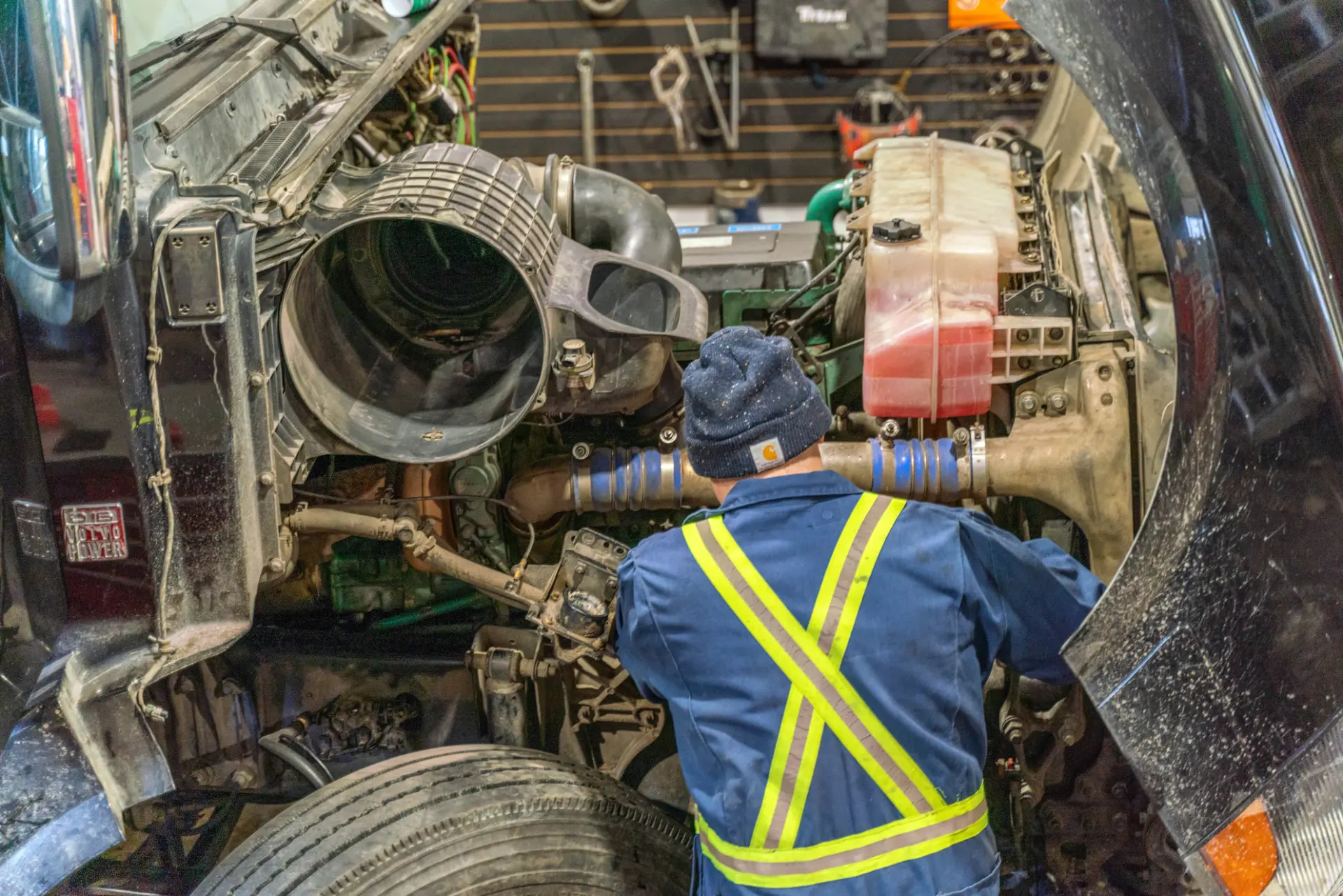
The Commercial Vehicle Inspection Program (CVIP) is a mandatory inspection process in Alberta designed to ensure that commercial vehicles meet provincial safety standards. Whether you operate a heavy-duty truck, bus, or trailer, failing a CVIP inspection can lead to costly downtime, repairs, and compliance issues. At Fleetgo Heavy Duty in Edmonton, the key to passing these inspections is staying ahead of potential problems through routine maintenance and proactive repairs. In this guide, we’ll outline five common issues found during CVIP inspections in Edmonton and how to prevent them.
How Often Do You Need a CVIP Inspection in Alberta?
Under Alberta’s National Safety Code, most commercial trucks and trailers registered over 11,794 kg need a CVIP inspection every 12 months, while buses are inspected every 6 months. The inspection has to be done at a licensed CVIP facility by a certified technician, who measures the vehicle against provincial out-of-service standards before issuing a numbered decal and certificate. Keeping up with routine maintenance between inspections is the simplest way to avoid a last-minute failure that pulls a truck off the road.
1. Brake System Deficiencies
Brakes are one of the most frequently cited failures during CVIP inspections. Given the immense weight that heavy-duty vehicles carry, a well-maintained braking system is critical for road safety. CVIP inspections ensure brake systems meet safety standards, reducing accidents by identifying issues before they become dangerous. Brake defects are consistently the top out-of-service category in Alberta, so inspectors look closely at air brake pushrod stroke, drum and rotor condition, and any pressure loss across the system.
Common Brake Issues Found in CVIP Inspections
- Worn Brake Drum & Shoes: Excessive wear reduces braking efficiency.
- Out-of-Adjustment Slack Adjusters: Automatic slack adjusters should self-adjust, but improper lubrication or mechanical issues can prevent this.
- Leaking Air Lines or Fittings: Any air brake system leaks will result in a failed CVIP inspection.
- Faulty Brake Chambers: Cracked or corroded brake chambers can lead to a loss of braking power.
Halting Brake System Damage
Regular brake inspections and adjustments can prevent many CVIP failures. Monitoring brake wear and replacing drums or shoes before they reach minimum thickness is essential for safe operation. Air lines and fittings should be checked frequently for leaks, as even minor issues can lead to a failed inspection. Proper lubrication of slack adjusters ensures they function correctly, reducing the risk of brake imbalance. It’s best to keep brake chambers free of corrosion and replacing faulty components as soon as wear is detected can prevent costly breakdowns.
2. Suspension and Steering Wear
The suspension and steering system plays a crucial role in handling, stability, and overall vehicle safety. Any loose, worn, or damaged components can lead to poor vehicle control and will cause a CVIP failure. Inspectors also check kingpin play, wheel bearing end play, and U-bolt torque, since worn steering and suspension parts change how a loaded truck tracks and stops.
Common Suspension & Steering Deficiencies
- Worn Tie Rod Ends or Drag Links: Loose components affect steering response.
- Leaking or Damaged Shock Absorbers: Poor shock performance leads to excessive bouncing and uneven tire wear.
- Broken or Cracked Leaf Springs: These must be replaced immediately if fractured or significantly worn.
- Excessive Play in Steering Box: If the steering feels loose or unresponsive, it could indicate excessive wear in the steering gearbox or linkage.
- Air Systems: Repair damaged air lines and airbags. Constant diagnostics will keep this complicated system from experiencing damage.
Stopping Suspension Issues
To prevent suspension and steering failures, it is crucial to inspect all steering linkage components, including tie rod ends and drag links, for looseness or wear. Shock absorbers should be checked for oil leaks, as failing shocks can affect vehicle stability and tire wear. Leaf springs must be inspected for cracks or fractures, which, if left unaddressed, can lead to dangerous handling issues. Lastly, monitoring steering play and addressing excessive looseness early can help avoid more significant and expensive repairs down the line.
3. Lighting and Electrical Failures
Lighting and electrical system failures are one of the easiest issues to prevent but remain a common cause of CVIP failures in Edmonton. Headlights, brake lights, signal lights, and marker lights must be operational for compliance. Reflectors, licence plate lights, and trailer wiring connections are checked too, and a single dead marker light on a long combination vehicle is enough to fail.
Common Electrical & Lighting Issues
- Burnt-out or Dim Lights: Any non-functioning exterior lights can cause an inspection failure.
- Faulty Wiring or Corrosion: Exposed or damaged wiring is a major issue in older trucks.
- Weak Battery or Alternator Issues: A failing alternator or weak battery can cause inconsistent electrical performance.
Preventing Electrical Failures
Routine pre-trip inspections should include a thorough check of all lights to ensure they are operational. Burnt-out bulbs should be replaced immediately to avoid citations or failed inspections. Wiring harnesses must be inspected for corrosion or frayed connections, as these can cause intermittent electrical failures. Testing the battery voltage and alternator output regularly will help detect weak or failing components before they impact vehicle performance.
4. Tire and Wheel Deficiencies
A truck’s tires and wheels are critical safety components. Bald tires, improper inflation, or damaged rims can result in major safety hazards and CVIP failures. Inspectors also flag exposed cord or belt material, sidewall bulges, and mismatched tire sizes on the same axle, all of which fall under Alberta’s out-of-service tire criteria.
Common Tire & Wheel Issues in CVIP Inspections
- Insufficient Tread Depth: Alberta law requires a minimum of 3.2mm (1/8") tread depth on steer tires and 1.6mm (1/16") on drive and trailer tires.
- Over or Under-Inflated Tires: Improper inflation leads to blowouts and poor fuel efficiency.
- Cracked or Damaged Rims: Any visible cracks, dents, or rust damage are grounds for a failed inspection.
- Uneven Tire Wear: This may indicate misalignment, worn suspension, or improper inflation.
Prevention Tips for Truck Tires
Maintaining proper tire pressure is one of the most effective ways to extend tire life and prevent failures during inspections. A calibrated gauge should be used daily to check inflation levels. Regular wheel alignment and suspension maintenance can prevent uneven wear patterns, which often indicate deeper mechanical issues. Tires should be rotated at manufacturer-recommended intervals to ensure even wear across all positions. Any damaged or cracked rims must be replaced immediately, as structural failures can lead to catastrophic blowouts.
5. Exhaust and Emissions System Failures
Diesel trucks must meet Alberta’s emissions standards, and DPF (Diesel Particulate Filter) and EGR (Exhaust Gas Recirculation) system issues are a common reason for CVIP failures. Alberta's strict emissions standards for diesel trucks, enforced via CVIP inspections, often find the DPF and EGR system as culprits for non-compliance. A malfunctioning or clogged DPF and issues within the EGR system can increase emissions and result in a failed inspection. On newer diesels the DEF (diesel exhaust fluid) and SCR (selective catalytic reduction) system is checked as well, since a faulty DEF dosing unit or contaminated fluid can trigger derates and emissions faults.
Common Exhaust & Emissions Issues Found in CVIP Inspections
- Excessive Exhaust Leaks: Leaks before the DPF or muffler can cause high emissions readings.
- Clogged DPF (Diesel Particulate Filter): A blocked DPF can cause engine derates and failed inspections.
- Faulty NOx or O2 Sensors: These sensors monitor emissions and must function properly.
- Excessive Smoke from Exhaust: Black or blue smoke often indicates fuel or turbocharger issues.
Prevention Tips For Emission Systems
Regular maintenance of the exhaust system is essential for passing CVIP inspections. Performing routine DPF regenerations and ensuring proper EGR function will help prevent excessive soot buildup. Exhaust pipes should be inspected for leaks or rust damage, as even minor cracks can increase emissions and cause compliance failures. Replacing faulty NOx or O2 sensors as needed ensures accurate monitoring of emissions levels. Addressing fuel system and turbocharger issues early can prevent excessive smoke production, which is a clear indicator of an underlying problem.
What Happens If Your Truck Fails a CVIP Inspection?
If a vehicle fails, the facility records the deficiencies and the truck cannot legally operate until the listed items are repaired. Alberta allows a re-inspection of the failed items within 10 days at the same facility, and only the deficient components are re-checked rather than the whole vehicle. Serious defects that fall under out-of-service criteria, such as air brake leaks or cracked frame rails, have to be fixed before the truck moves at all. Booking the repairs and the re-inspection together is the fastest way to get back on the road compliant.
Stay CVIP-Ready with Fleetgo Heavy Duty Inc.
Failing a CVIP inspection in Edmonton can result in unexpected downtime and costly repairs. Regular preventative maintenance can help you stay compliant, extend your vehicle lifespan, and avoid hefty fines.
At Fleetgo Heavy Duty Inc., we specialize in CVIP inspections, repairs, and maintenance for heavy-duty trucks and fleets. If you need a CVIP inspection in Edmonton, or if your truck has failed a recent inspection, our expert technicians can diagnose and fix any issue quickly. For more information about the industry, read our article on building strong relationships with repair shops.
More Articles
Engine Rebuild vs Replacement: Which Makes Sense for an Older Truck?
What Makes a Heavy Truck Repair Shop Reliable for Fleets
Signs Your DPF Needs Cleaning vs Replacement
Contact FleetGo
Get in touch with Fleetgo today to request a quote or to schedule in-shop or mobile services in Edmonton & the surrounding area! Our mobile service extends to a 100km radius around Edmonton for emergency roadside assistance & mobile truck & fleet repairs, including Sherwood Park, Spruce Grove, Fort Saskatchewan, St. Albert, Stony Plain, along Highway 16, & more!