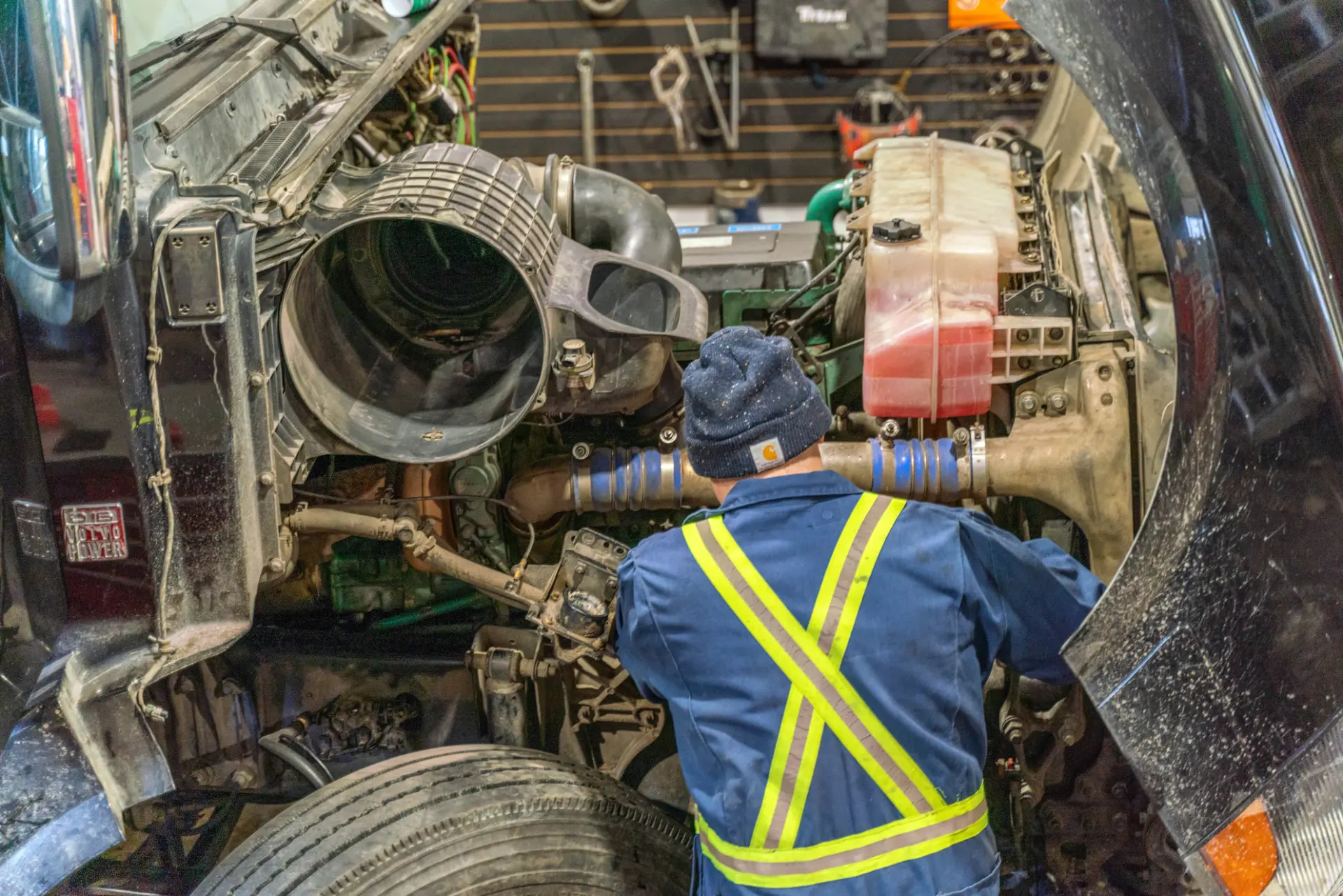
Hydraulic System Maintenance for Trucks and Heavy Equipment
Hydraulic issues rarely stay small. Learn the early warning signs of hydraulic leaks, cavitation, and drifting cylinders, plus a practical Alberta-ready maintenance routine to reduce downtime in trucks and heavy equipment.
The Real Cost of Hydraulic Problems in Heavy-Duty Equipment
Hydraulic systems are the backbone of most heavy equipment and work-truck functions. When hydraulics start slipping, drifting, overheating, or leaking, the problem rarely stays small. A minor hose seep or a slightly restricted filter can quickly turn into a pump failure, contaminated fluid throughout the system, and hours or days of downtime on a job site.
For fleets and contractors working in Edmonton and across Alberta, hydraulic issues are even more common because equipment faces dusty environments, heavy load cycles, and temperature swings that stress seals, hoses, and fluid performance. Fleetgo helps operators stay productive with hydraulic inspections, preventive maintenance planning, and in-shop or mobile repair support when failures can’t wait.
How Hydraulic Systems Work and Why Small Problems Get Expensive Fast
Hydraulic systems work by moving pressurized fluid through pumps, valves, and cylinders to create controlled force. When the system is healthy, it maintains stable pressure and flow, keeps components lubricated, and manages operating temperature.
The reason hydraulic failures get expensive fast is that the same few root causes tend to compound:
Contamination accelerates wear and can make valves stick. Heat breaks down additives, reduces lubrication, and hardens seals. Air in the system makes response inconsistent and can lead to cavitation damage. Restrictions at filters, breathers, or suction strainers starve the pump and create pressure spikes that stress everything downstream. If a pump begins shedding metal, that material circulates through the system and turns a single-component issue into a full-system cleanup.
The Components That Fail Most Often in Heavy-Duty Hydraulics
Most hydraulic breakdowns follow predictable patterns. The goal of maintenance is to catch these problems early, before they become a downtime event.
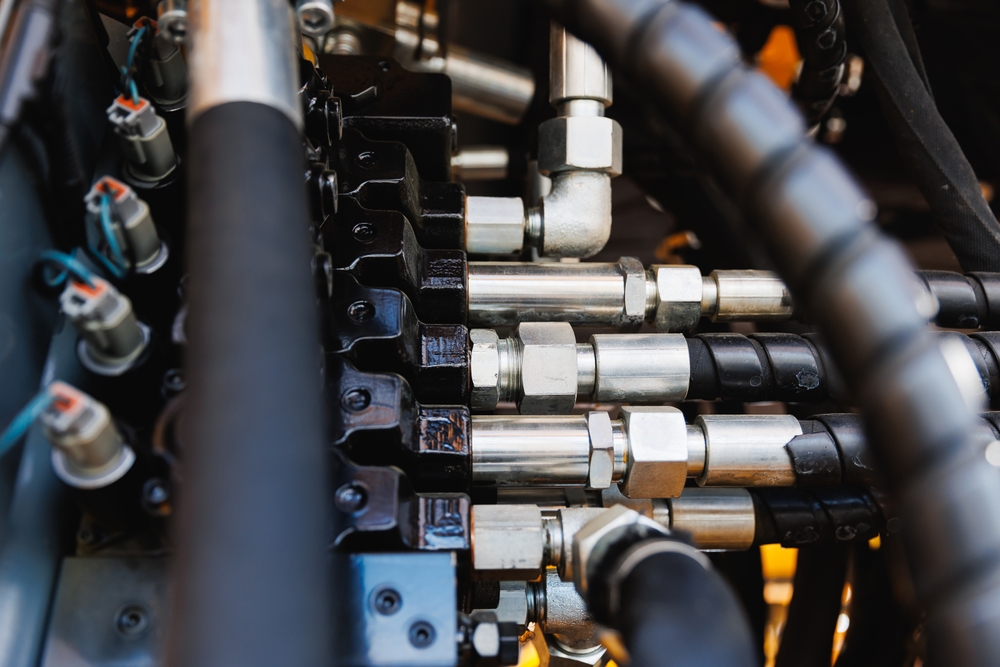
Hoses, lines, fittings, and clamps tend to fail from chafing, vibration, heat exposure, or poor routing. You often see early warning as damp fittings, oil film near crimp ends, or rub points where the hose jacket is thinning. A hose that is lightly “sweating” today is often a hose that blows under load later, especially if it’s running against metal edges or missing proper clamp support.
Seals and O-rings are another common failure point in Alberta. Cold weather can shrink seals and make older material brittle, while summer heat can harden seals and increase leakage. Cylinder drift is a frequent symptom of internal bypass. It’s especially important because drift can look “small” while still being a sign that the system is already wearing internally or running contaminated fluid.
Pumps fail most often from cavitation or aeration. Cavitation happens when the pump can’t get enough fluid, usually due to restricted suction lines, clogged suction strainers, low reservoir levels, or thick cold fluid that doesn’t flow well on startup. Aeration often comes from loose suction fittings or low fluid levels pulling air into the circuit. Once cavitation starts, pump noise increases, performance drops, and metal debris can spread throughout the system.
Valves and pressure regulation issues show up when contamination or varnish causes spools to stick. That can create jerky function response, delayed movement, inconsistent power under load, or pressure spikes. Relief valves can also cause problems if they’re sticking or set incorrectly, which can lead to heat buildup and repeated component stress.
Filters, breathers, and suction strainers are the “silent” components that protect the rest of the system. In dusty environments, breathers can load quickly and pull dirt into the reservoir. Restriction at filters can starve flow, and restriction at suction strainers can push the pump toward cavitation. If filters are plugging frequently, it’s usually a sign the system is contaminated or a component is actively shedding debris.
Warning Signs Your Hydraulics Need Attention
Hydraulic problems usually give you warnings before they cause a full shutdown. Fleet operators should watch for these early indicators:
* Sluggish response or slow actuation, especially during cold starts
* Jerky or uneven movement under load
* Cylinder drift or load dropping with controls neutral
* Unusual whining, chatter, or vibration from the pump area
* Foamy fluid, milky fluid, or noticeable discoloration
* Burnt smell or unusually high hydraulic temperature
* Repeated filter plugging or pressure alarms (if equipped)
* Hose wetness, fitting seepage, or small leaks that return after wiping clean
If your equipment is showing multiple symptoms at once, it usually means the system has moved beyond a “minor leak” and into a condition where contamination, heat, or suction restriction is actively damaging components.
Alberta Weather and Job-Site Conditions That Accelerate Hydraulic Wear
Alberta operations introduce specific stressors that shorten hydraulic component life if maintenance is inconsistent.
Cold starts are hard on hydraulics because thick fluid flows slowly and increases suction restriction. If equipment is put under heavy load before the fluid warms, pump cavitation becomes more likely. A warm-up routine that gently cycles functions at low load helps fluid circulate, reduces pressure shock, and protects seals.
Freeze-thaw cycles increase condensation risk in reservoirs and can introduce water contamination. Water reduces lubrication, contributes to corrosion, and can cause filter plugging. Milky fluid is a common visual clue, but water can also be present before the fluid appearance changes.
Dusty job sites increase contamination risk during top-offs and service. A filler port opened without cleaning, a dirty funnel, or exposed quick couplers can introduce grit that wears pumps, scores valves, and damages cylinder seals. Small service shortcuts often lead to big hydraulic bills later.
Summer heat creates its own failure pattern. High operating temperatures accelerate fluid oxidation, form varnish, and harden seals. Overheated fluid also loses protective properties, which is why repeated high-temp operation often shows up later as valve sticking and persistent leaks.
Preventive Hydraulic Maintenance Checklist That Actually Reduces Downtime
A good hydraulic maintenance plan is simple, repeatable, and split between operator checks and scheduled service.
Start with routine visual inspections. Operators should look for fresh leaks, damp fittings, hose rub points, missing clamps, and abnormal hose movement. Catching a chafe point early prevents the most disruptive type of failure: a hose blowout under load.
Next, build a fluid and filtration routine. Hydraulic fluid health depends on the correct viscosity, clean service practices, and filter/breather upkeep. If your equipment runs severe duty cycles, consider periodic fluid sampling so you can detect water contamination or abnormal metal content before failures show up in performance.
Finally, treat cold-weather warm-up as part of maintenance. A consistent warm-up routine reduces cavitation risk and protects seals. Gently cycling functions before heavy work is one of the lowest-cost habits that prevents high-cost failures.
For fleets, the biggest win comes from scheduling these checks around your operating cycle. Maintenance that’s done “when something feels wrong” is always more expensive than maintenance that’s done before the system crosses the line into pump or valve damage.
When to Stop Operating and Call a Pro
Some hydraulic issues can be scheduled. Others shouldn’t be pushed.
You should stop operating or reduce the machine to a safe condition if you have a major leak, sudden loss of function under load, persistent pump whining that does not improve with warm-up, foamy fluid that keeps returning, overheating with burnt-smelling fluid, or repeated filter plugging in a short period. These usually signal conditions that can quickly contaminate the entire system or create safety risks.
If you are unsure whether the equipment is safe to run, it’s better to diagnose early than to keep cycling the system until the damage spreads.
Fleetgo’s Hydraulic Maintenance and Repair in Edmonton
Fleetgo supports heavy-duty trucks and heavy equipment with preventive maintenance planning, inspections, and repair services designed to reduce downtime across Alberta job conditions. If you need hydraulic diagnostics for heavy equipment, start here:
https://www.fleetgo.ca/services/heavy-equipment-repair
If you need onsite help to reduce downtime, Fleetgo’s mobile support is here for you.
For planned service schedules that keep systems clean and reliable, use preventive maintenance.
For fluid service support tied to contamination and heat control, see:
Contact Fleetgo
Get in touch with Fleetgo today to request a quote or to schedule in-shop or mobile services in Edmonton and the surrounding area.
More Articles
What Makes a Heavy Truck Repair Shop Reliable for Fleets
Signs Your DPF Needs Cleaning vs Replacement
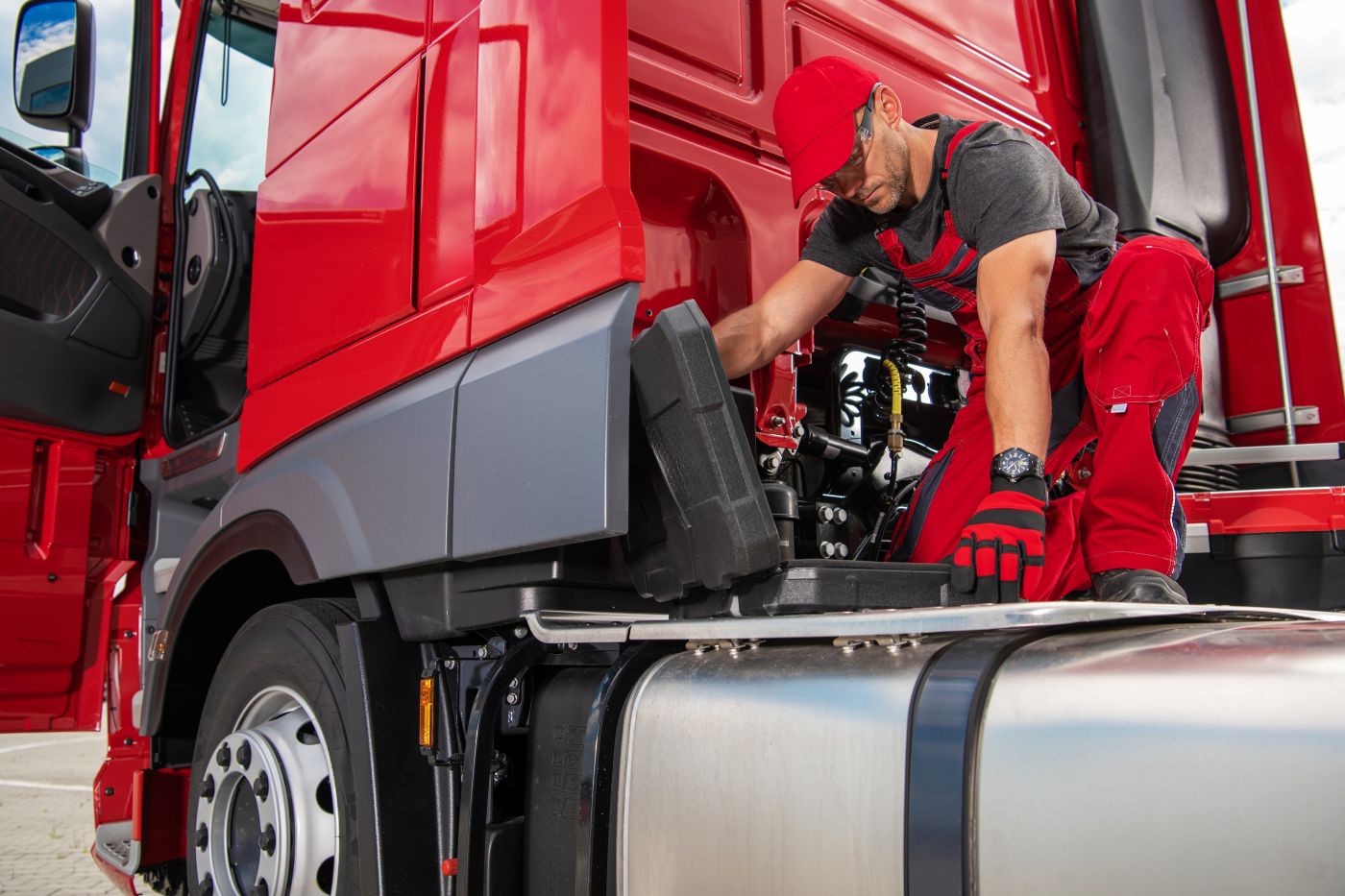
Which Heavy Truck Repairs Deliver the Highest ROI for Fleet Uptime
Contact FleetGo
Get in touch with Fleetgo today to request a quote or to schedule in-shop or mobile services in Edmonton & the surrounding area! Our mobile service extends to a 100km radius around Edmonton for emergency roadside assistance & mobile truck & fleet repairs, including Sherwood Park, Spruce Grove, Fort Saskatchewan, St. Albert, Stony Plain, along Highway 16, & more!