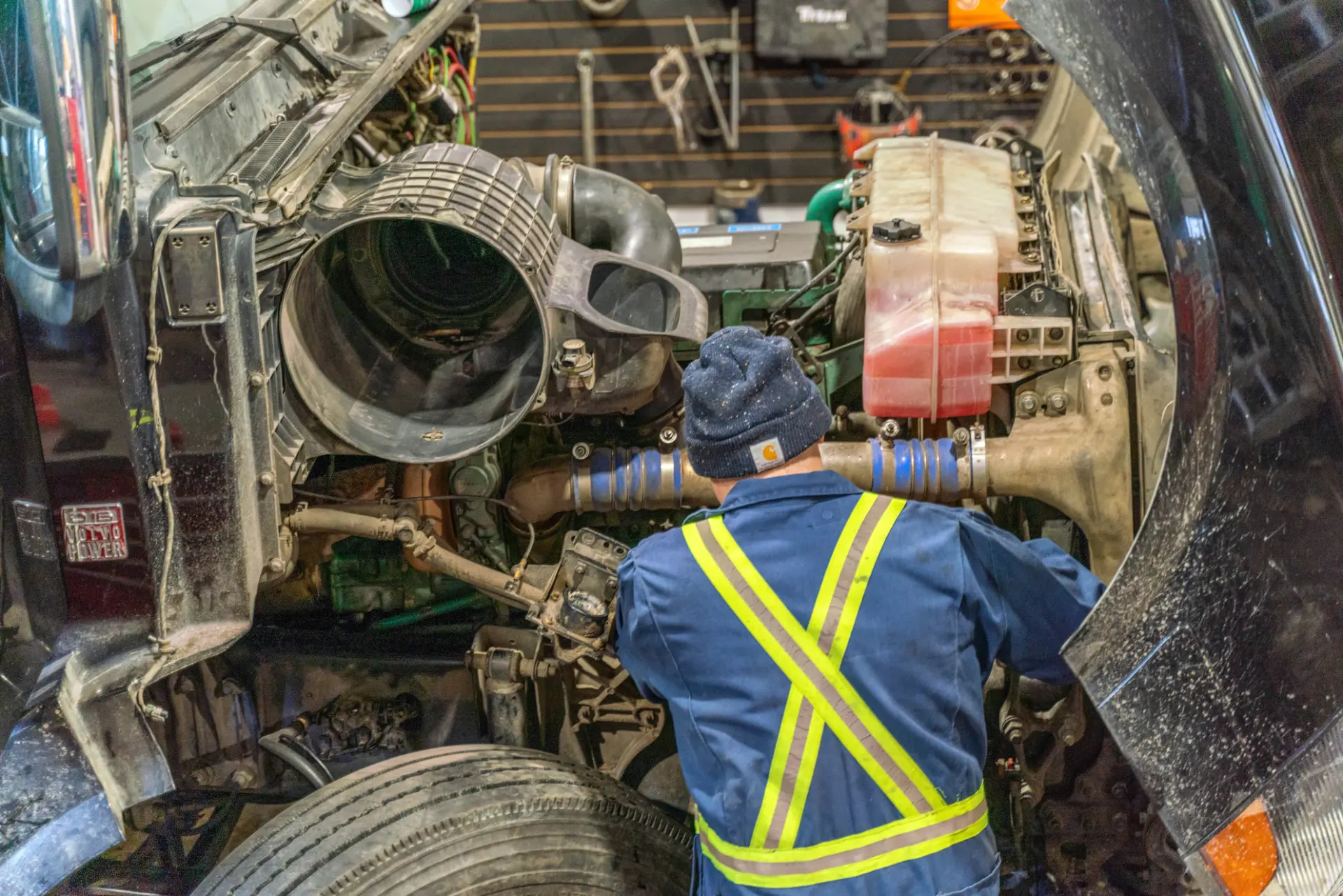
Why Vibration at Highway Speed Often Points to Driveline Problems
Highway speed vibration often signals U-joint wear, driveshaft imbalance, carrier bearing failure, or driveline angle issues in heavy vehicles.
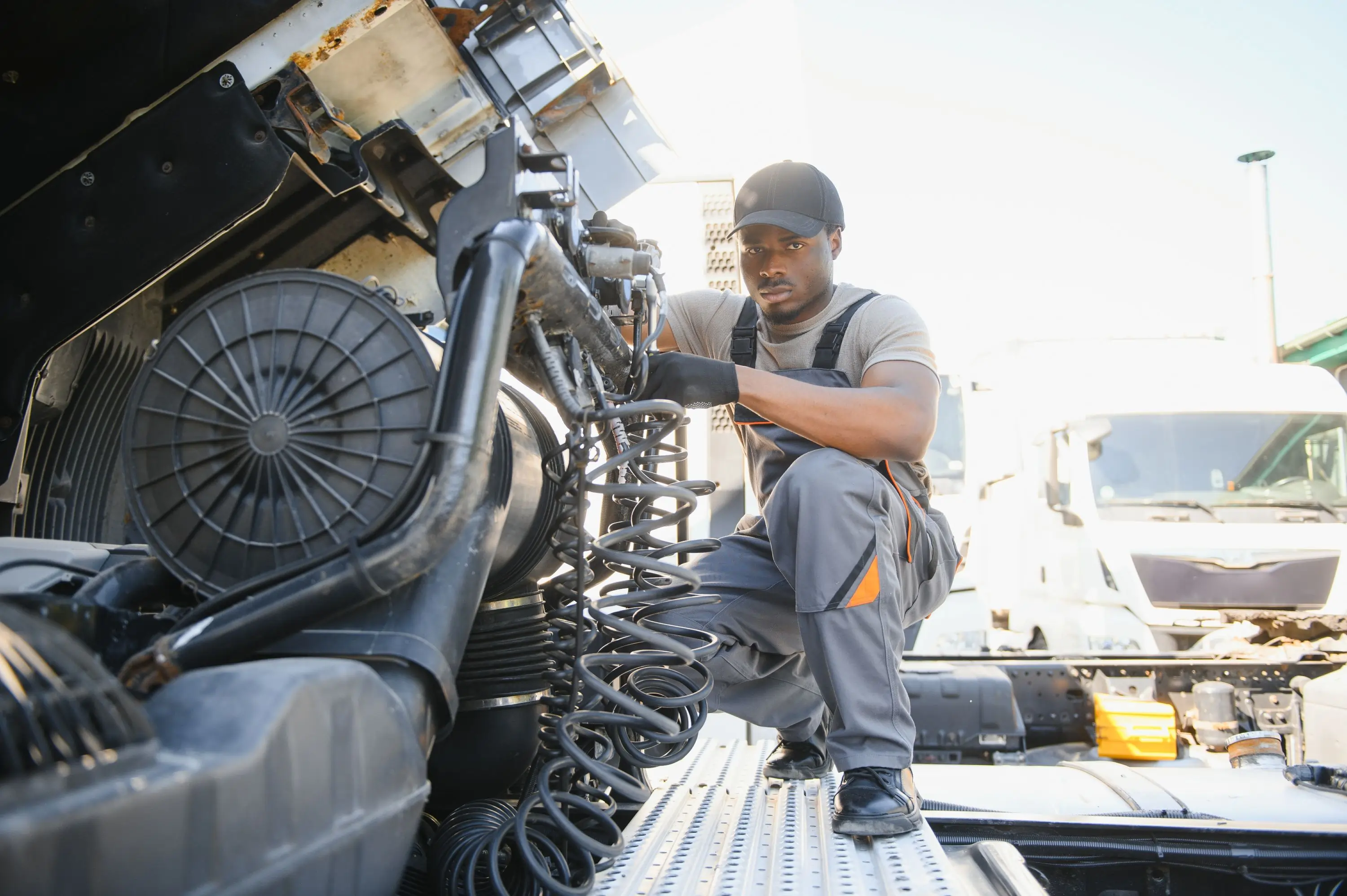
Vibration that appears only at highway speed usually indicates a rotating component imbalance rather than a general vehicle shake. In heavy trucks and commercial vehicles, this pattern commonly points to driveline issues, which is how FleetGo approaches vibration diagnosis in fleet service environments. Unlike low speed vibration or engine related shake, speed specific vibration that increases with road speed often originates in the driveshaft assembly.
Worn or Failing U-Joints
Universal joints allow the driveshaft to transfer torque while accommodating movement between components. As U-joints wear, internal clearances increase, causing uneven rotation and vibration under load.
Common indicators include:
- Vibration that worsens under acceleration
- Clunking during gear changes
- Rust powder near bearing caps
- Visible play in the joint during inspection
Failure to replace worn U-joints can allow the joint to seize or break, which may lead to driveline separation.
Driveshaft Imbalance
A driveshaft must remain balanced along its entire length. Missing balance weights, dented tubing, or improper previous repairs can create imbalance that becomes noticeable at higher rotational speeds.
Imbalance causes cyclic vibration that increases with speed and can transfer load into the transmission output shaft and differential input bearings. These faults are typically identified during a full driveline system inspection performed as part of heavy-duty driveline repair.
Carrier Bearing Failure
Vehicles with multi-piece driveshafts rely on carrier bearings to support shaft alignment. When the bearing wears or its rubber support degrades, the shaft can sag or move off center.
This misalignment produces vibration at highway speed and places additional stress on U-joints and driveline angles, accelerating component wear.
Incorrect Driveline Angles
Driveline components must operate within specific angular relationships. Suspension changes, worn mounts, or improper installation can alter these angles, causing non-uniform shaft rotation.
Angle issues often cause vibration under load rather than at idle, and may become more noticeable when the vehicle is fully loaded.
How Driveline Vibration Differs From Tire or Engine Vibration
Driveline vibration typically increases steadily with vehicle speed and remains present even when engine RPM changes without a change in road speed. Tire vibration often appears within a specific speed range and may reduce above or below that range. Engine vibration is more closely tied to RPM rather than road speed.
These differences help isolate the source during diagnosis, which is why vibration complaints are usually evaluated as part of broader commercial truck diagnostics.
Risks of Ignoring Highway Speed Vibration
Ignoring driveline vibration can lead to progressive damage. Continuous imbalance or misalignment increases stress on transmission output shafts, differential bearings, and supporting mounts. In severe cases, component failure can cause the driveshaft to separate from the vehicle.
Persistent highway speed vibration should be checked promptly, and operators can arrange a mechanical inspection before continued operation to prevent secondary damage.
Addressing the Issue
Correcting highway speed vibration requires inspection of the entire driveline assembly rather than replacing individual parts without testing. This includes checking U-joint condition, verifying driveshaft balance, inspecting carrier bearings, and measuring driveline angles. These checks are standard in professional fleet maintenance environments where driveline performance is evaluated as a complete system rather than individual components.
More Articles
What Makes a Heavy Truck Repair Shop Reliable for Fleets
Signs Your DPF Needs Cleaning vs Replacement
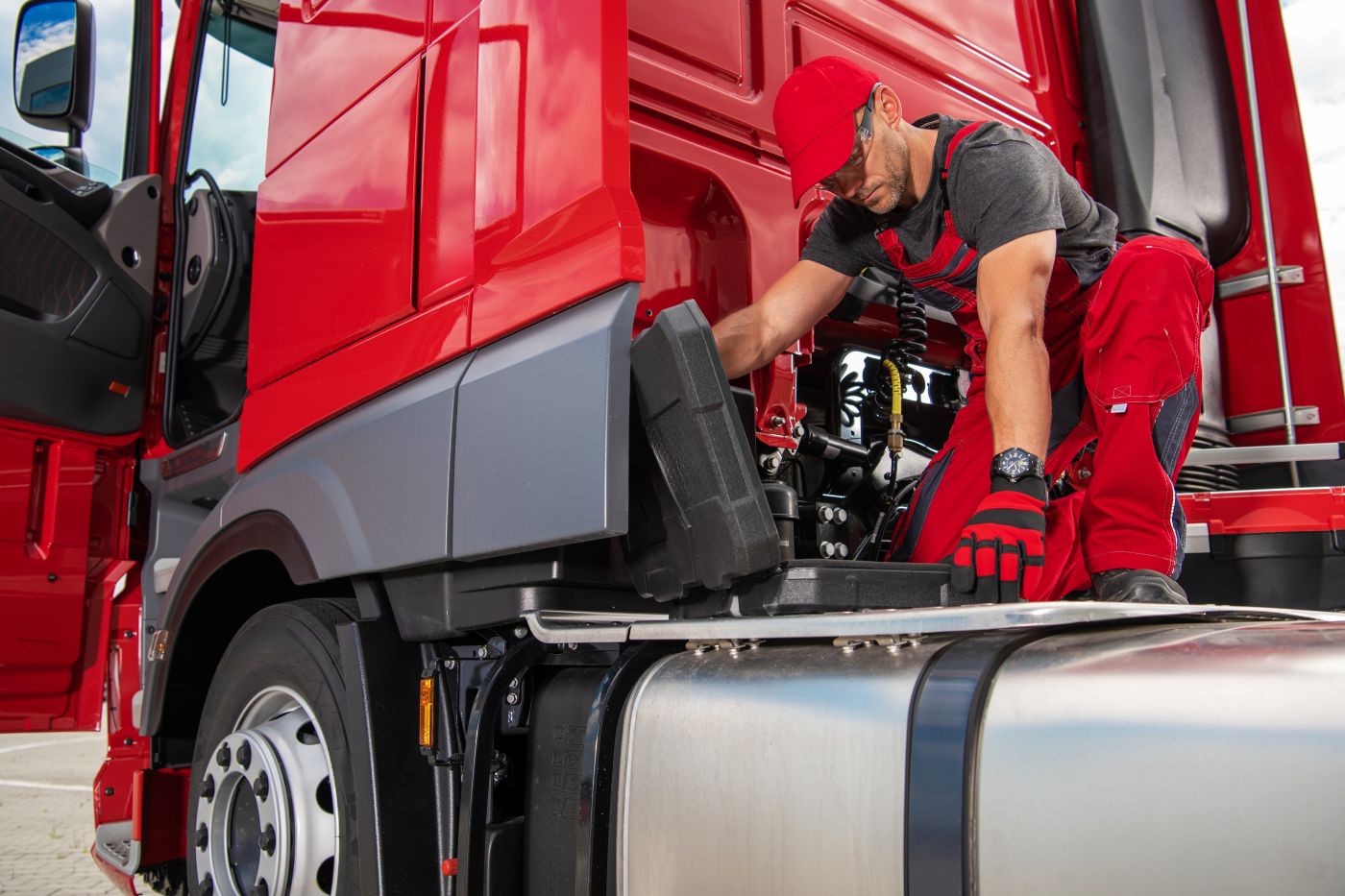
Which Heavy Truck Repairs Deliver the Highest ROI for Fleet Uptime
Contact FleetGo
Get in touch with Fleetgo today to request a quote or to schedule in-shop or mobile services in Edmonton & the surrounding area! Our mobile service extends to a 100km radius around Edmonton for emergency roadside assistance & mobile truck & fleet repairs, including Sherwood Park, Spruce Grove, Fort Saskatchewan, St. Albert, Stony Plain, along Highway 16, & more!