Air Brake Leak Detection: What Fleet Managers Should Know
Air brake leaks are one of the most common hidden issues affecting commercial fleets, especially in cold weather regions.
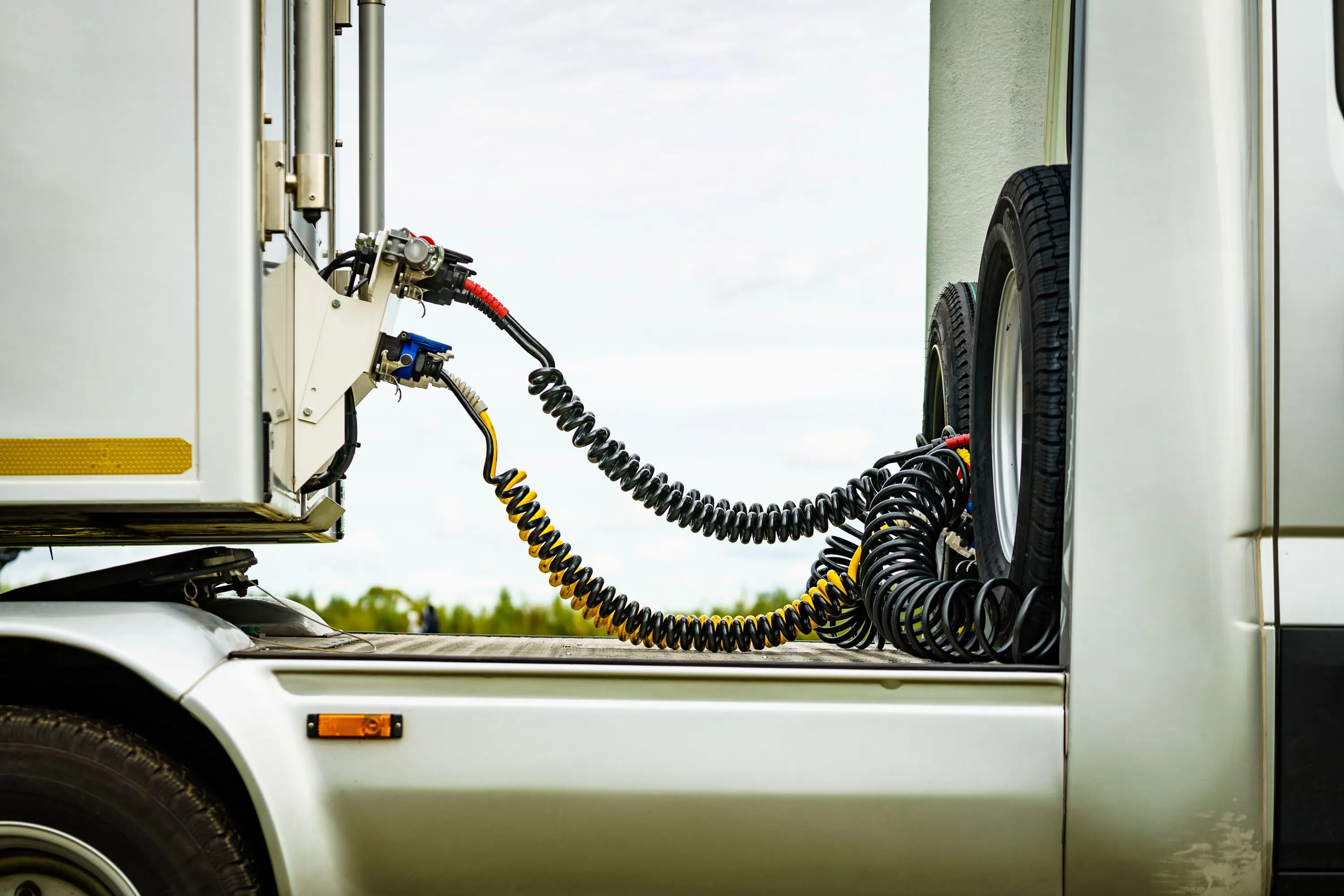
Air brake leaks are one of the most common hidden issues affecting commercial fleets, especially in cold weather regions. For Alberta fleet managers, issues like pressure loss, winter wear, and inspection readiness are problems FleetGo regularly sees when small air system faults go unnoticed until they escalate. Winter conditions accelerate wear across air brake systems, making early detection critical for safety and compliance.
Air brake systems depend on stable, sealed airflow to function correctly. When leaks develop, braking performance, system reliability, and inspection readiness are all compromised.
Where Air Brake Leaks Commonly Develop
Air brake leaks rarely originate from a single failure point. Instead, they develop gradually at components exposed to vibration, temperature swings, and moisture. These are the same areas maintenance teams focus on when evaluating fleet reliability and inspection readiness.
Air Lines and Hoses
Flexible air lines experience constant movement as trucks operate over uneven roads. In Alberta’s climate, repeated freeze thaw cycles cause rubber and nylon hoses to harden and crack. Lines routed along frame rails or near suspension components are particularly vulnerable to abrasion and impact damage, allowing small leaks to form over time.
Fittings and Connections
Push to connect fittings and threaded joints can loosen as vehicles flex under load. Even slight misalignment or seal degradation creates slow air loss that may only be noticeable during extended idle periods or overnight pressure checks.
Brake Chambers
Brake chambers contain internal diaphragms that flex under braking pressure. As these diaphragms age, exposure to moisture and cold temperatures weakens the material. Leaks at this stage often occur only during brake application, making them difficult to detect without targeted testing.
Valves and Control Components
Relay valves, quick release valves, and foot valves rely on internal seals to regulate airflow. Internal leakage may not produce audible noise, yet it steadily reduces system pressure and forces the compressor to work harder to maintain operating levels.
How Air Pressure Loss Impacts Braking Performance
Loss of air pressure directly affects braking response and stopping distance. As pressure drops, brake lag increases, meaning brakes take longer to apply fully. This delay becomes especially dangerous during repeated stops, downhill driving, or emergency braking situations.
Inconsistent pressure can also cause uneven brake application across axles, reducing vehicle stability. When pressure falls below safe thresholds, warning systems activate or automatic brake application may occur, disrupting operations and increasing roadside risk.
Increased Compressor Workload and Long Term Wear
Air leaks place constant demand on the air compressor. To compensate for pressure loss, the compressor cycles more frequently, leading to accelerated wear across the entire air system.
Common consequences include:
- Premature compressor failure
- Increased fuel consumption
- Excess moisture buildup in air tanks
- Added strain on air dryers and purge systems
Over time, a single unresolved leak often leads to multiple component failures, significantly increasing repair costs.
CVIP Compliance Risks Associated with Air Leaks
Air brake leaks are a frequent cause of failed CVIP inspections. Inspectors evaluate air loss rates, warning system activation, and pressure recovery times to ensure vehicles meet safety standards.
If allowable air loss thresholds are exceeded or warning systems fail to function correctly, vehicles may be placed out of service. Fleets that rely solely on inspection outcomes to identify leaks often discover issues too late, resulting in downtime and operational delays.
Common Methods for Detecting Air Brake Leaks
Routine detection is the most effective way to prevent safety issues and inspection failures. Fleet managers should integrate air system checks into regular maintenance programs, especially during seasonal transitions.
Air Loss Rate Testing
With the engine off and brakes released, pressure loss is measured over a set period. Excessive pressure drop indicates system leakage that requires further investigation.
Audible Leak Checks
Hissing sounds near brake chambers, axles, and valve assemblies can often be detected in quiet environments. These checks are most effective indoors or during early morning inspections.
Dashboard Warning Monitoring
Delayed pressure recovery or low air pressure warnings often signal leaks even when no audible sound is present. Monitoring warning behavior provides early insight into system health.
Soapy Water Testing
Applying soapy water to suspected leak points produces visible bubbling where air escapes. This method is especially effective for fittings, hose connections, and brake chamber ports.
Why Alberta Winters Accelerate Air Brake Failures
Cold temperatures cause air system materials to contract, placing additional stress on hoses, seals, and fittings. Road salt and moisture promote corrosion, while snow and ice restrict normal component movement.
Winter driving also increases air demand due to more frequent braking and traction control use. These conditions expose weak points in the system faster than during warmer months, leading to a higher rate of air system related failures.
Staying Ahead of Air Brake Issues
Proactive inspections, seasonal maintenance adjustments, and prompt leak repairs help fleets avoid costly downtime and compliance setbacks. Identifying small leaks early protects braking performance and extends the lifespan of air system components.
Fleets that prioritize preventative maintenance and inspection readiness often work with experienced providers such as FleetGo to reduce risk before issues escalate.
Fleet managers who want to address air brake concerns before they turn into compliance problems can coordinate next steps through the contact page.
More Articles
What Makes a Heavy Truck Repair Shop Reliable for Fleets
Signs Your DPF Needs Cleaning vs Replacement
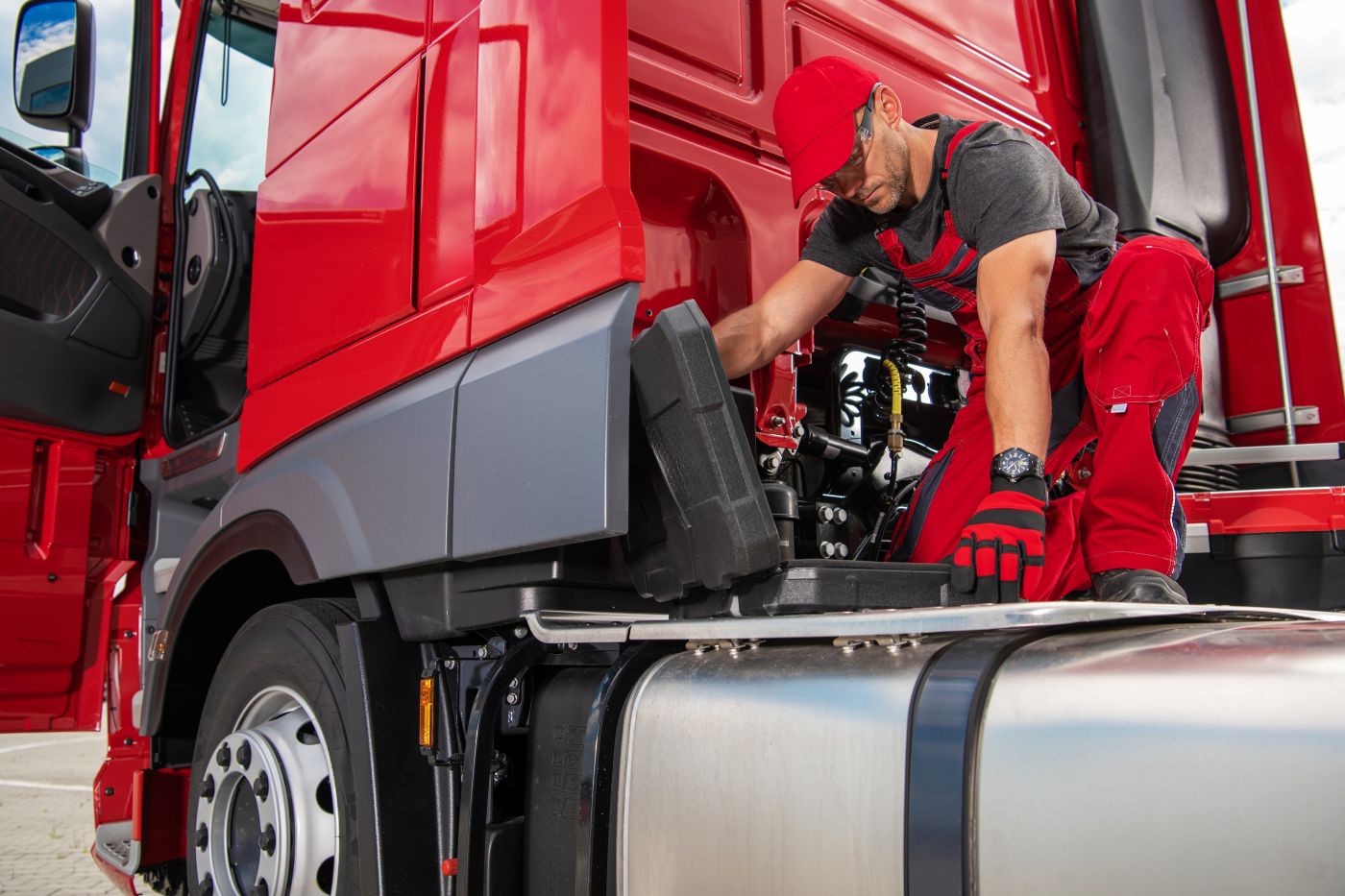
Which Heavy Truck Repairs Deliver the Highest ROI for Fleet Uptime
Contact FleetGo
Get in touch with Fleetgo today to request a quote or to schedule in-shop or mobile services in Edmonton & the surrounding area! Our mobile service extends to a 100km radius around Edmonton for emergency roadside assistance & mobile truck & fleet repairs, including Sherwood Park, Spruce Grove, Fort Saskatchewan, St. Albert, Stony Plain, along Highway 16, & more!