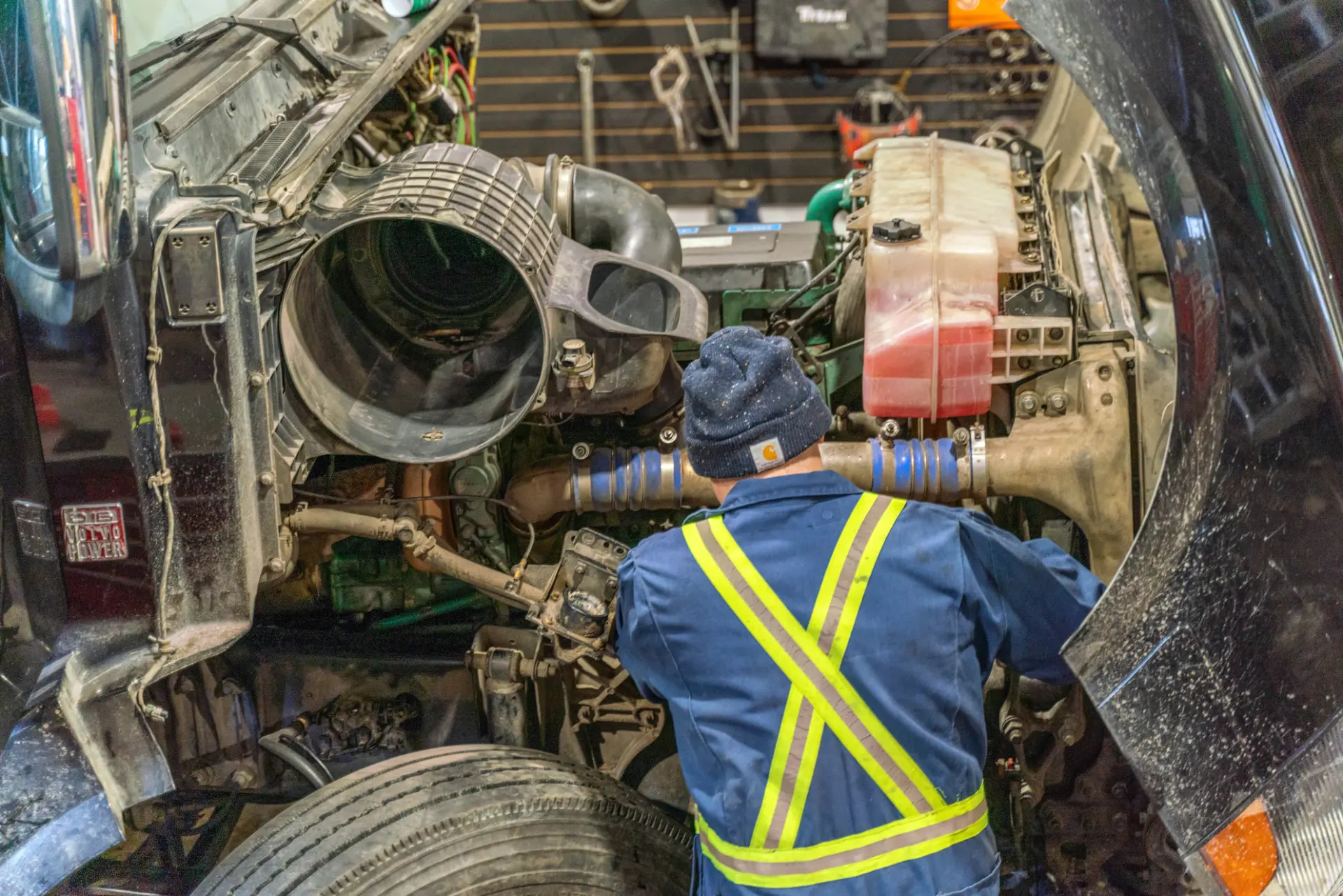
CVIP Inspections in Alberta: What Fails Trucks Most Often
Common CVIP inspection failures in Alberta including brakes, suspension, tires, lighting, and air systems, and how fleets can reduce re inspection delays.
CVIP inspections in Alberta are mandatory for commercial trucks and trailers operating under provincial regulations. While many vehicles pass without issue, certain components fail repeatedly across fleets. Understanding these common failure points helps reduce downtime and avoid re inspection delays. FleetGo Heavy Duty works with Alberta fleet managers and owner operators to identify recurring weak points before vehicles enter inspection.
Why CVIP Inspections Matter for Alberta Fleets
The Commercial Vehicle Inspection Program ensures trucks meet provincial safety standards. A failed inspection can remove a vehicle from service until deficiencies are corrected.
For fleets operating on tight schedules, downtime affects delivery commitments, driver allocation, and revenue flow. Many operators rely on experienced heavy duty service providers such as FleetGo Heavy Duty to structure preventative maintenance programs that reduce unexpected inspection failures.
What a CVIP Inspection Covers
A CVIP inspection evaluates critical safety systems. While inspection depth varies by vehicle type, core categories include:
• Brake system components and adjustment
• Suspension and structural integrity
• Steering linkages and components
• Lighting and electrical systems
• Tire condition and tread depth
• Air brake system performance
• Required safety and compliance documentation
Each category contains multiple sub checks. Failure in one area can result in overall rejection until corrected.
Most Common CVIP Failure Points in Alberta
Certain components fail more frequently due to environmental stress and operational wear.
Brakes and Brake Adjustments
Brake issues remain one of the most common CVIP failures. Worn brake linings, out of adjustment slack adjusters, cracked drums, or uneven braking force often trigger rejection.
Alberta’s heavy hauling demands and winter conditions increase brake wear. Salt and moisture accelerate corrosion, especially on components exposed to road spray.
Suspension Components (Bushings, Springs, Shocks)
Suspension systems endure constant stress from uneven roads and heavy loads. Broken leaf springs, worn bushings, and leaking shocks commonly fail inspection.
Cold temperatures stiffen rubber components, which increases cracking and deterioration. Over time, this leads to excessive movement or instability.
Steering Linkages and Play
Inspectors check for excessive steering play and worn linkage components. Loose tie rod ends, worn drag links, and damaged steering arms frequently cause failures.
Even minor play can result in rejection because steering directly affects vehicle control and safety.
Lighting and Electrical Faults
Lighting failures are common and often preventable. Burned out bulbs, inoperative marker lights, wiring corrosion, or cracked lenses trigger inspection rejection.
Winter road salt contributes to connector corrosion and intermittent faults. These issues often appear minor but can delay approval if not addressed before inspection.
Tire Wear, Tread Depth, and Defects
Tires must meet minimum tread depth and show no structural defects. Uneven wear, exposed cords, sidewall damage, or mismatched tire types frequently result in failure.
Improper alignment or suspension wear often accelerates tire deterioration.
Air Brake System Leaks and Deficiencies
Air system leaks, slow pressure build up, faulty valves, or warning system malfunctions commonly fail inspection.
Alberta’s cold weather increases the risk of air system moisture and freezing issues if dryers and drainage are not maintained properly.
Missing or Inaccurate Documentation
Incomplete paperwork can result in inspection rejection even if mechanical components pass. Missing previous inspection records, inaccurate VIN information, or incomplete maintenance logs often delay approval. Documentation compliance is part of the inspection process, not a secondary requirement.
Why These Failures Recurr in Alberta
Environmental and operational factors contribute to recurring failures.
Winter salt accelerates corrosion across brake lines, suspension components, and electrical connectors. Freeze thaw cycles increase stress on rubber bushings and seals.
Heavy loads and long highway distances add mechanical strain. Fleets that operate continuously without structured preventative maintenance tend to accumulate minor deficiencies that surface during inspection. Conducting a pre inspection review through dedicated CVIP inspection services in Alberta helps identify these issues before formal assessment.
Pre-Inspection Maintenance Strategies
Preventative checks reduce CVIP failure risk. Fleets should:
• Inspect brake adjustment and lining thickness regularly
• Check suspension components for cracks or excessive play
• Test all exterior lighting before booking inspection
• Measure tire tread depth and inspect sidewalls
• Perform air leak tests and confirm proper pressure build up
• Verify all inspection and maintenance documentation is complete
• Address minor warning lights before formal inspection
Structured maintenance reduces the likelihood of multiple deficiencies appearing at once.
Preparing Your Trucks for CVIP Success
Preparation begins before the inspection date. Regular maintenance intervals should align with vehicle workload and operating conditions.
Fleet managers who proactively schedule mechanical reviews reduce emergency repair situations and unplanned downtime. If your fleet is approaching inspection deadlines, you can contact FleetGo Heavy Duty to coordinate pre inspection assessments and minimize disruption.
Partnering with a heavy duty service provider that understands Alberta operating conditions helps fleets pass inspections efficiently and return to service quickly.
More Articles


Alternator vs Starter Failures in Commercial Trucks
Contact FleetGo
Get in touch with Fleetgo today to request a quote or to schedule in-shop or mobile services in Edmonton & the surrounding area! Our mobile service extends to a 250km radius around Edmonton for emergency roadside assistance & mobile truck & fleet repairs, including Sherwood Park, Spruce Grove, Fort Saskatchewan, St. Albert, Stony Plain, along Highway 16, & more!