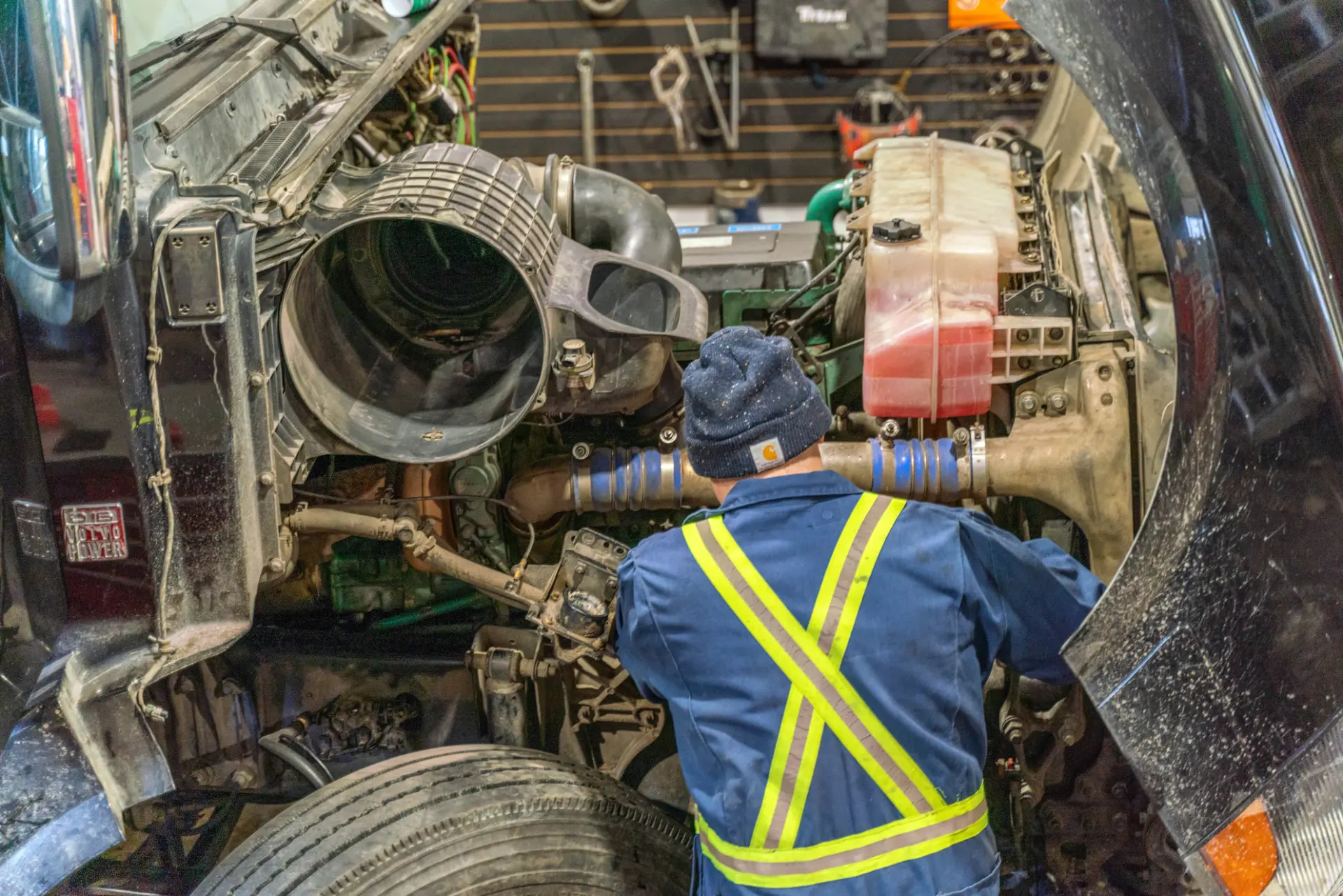
Which Heavy Truck Repairs Deliver the Highest ROI for Fleet Uptime
Compare heavy truck repairs by uptime impact, failure risk, downtime cost and asset life to prioritize fleet repair spending more effectively.
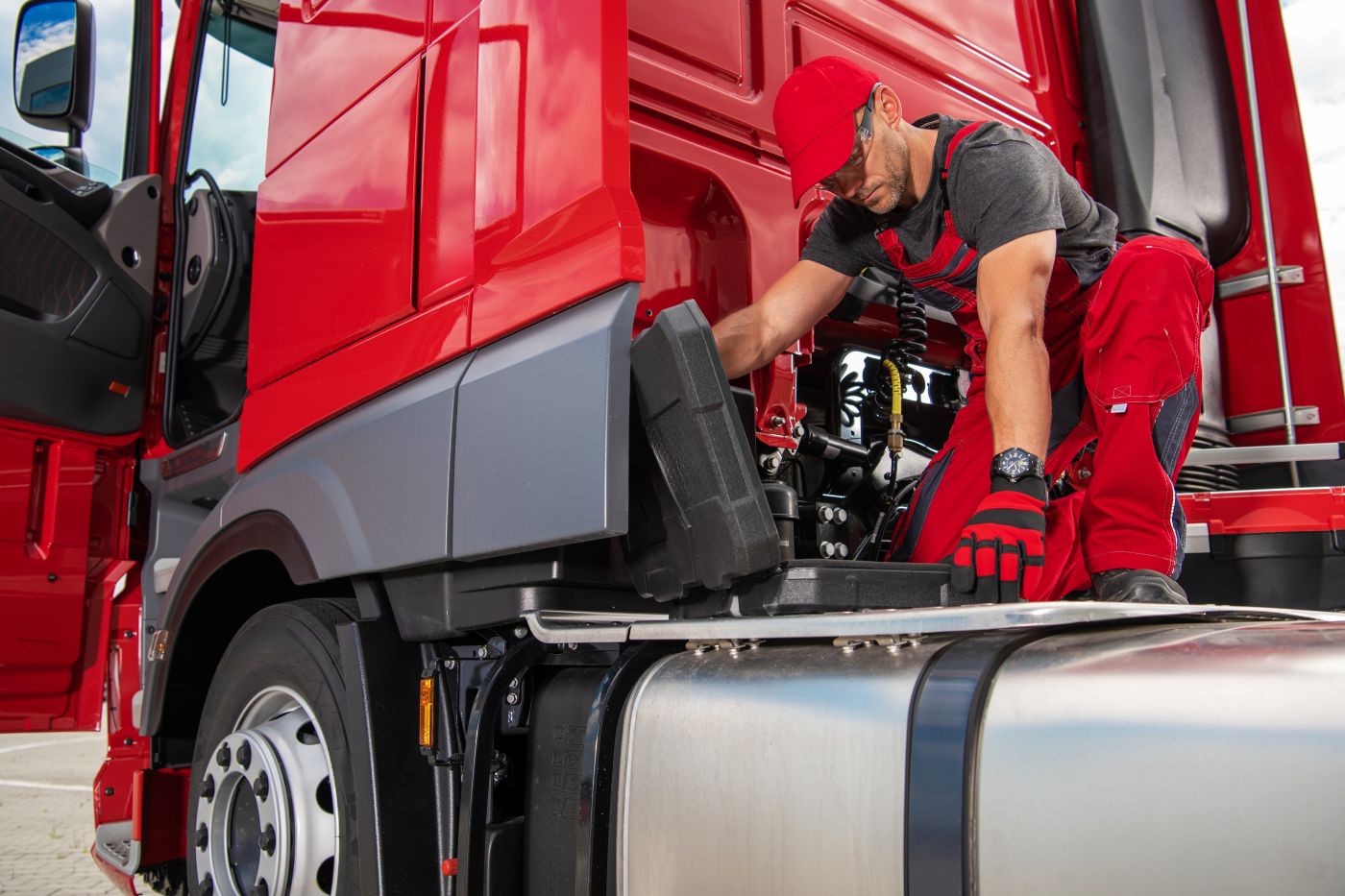
The heavy truck repairs with the highest return on investment are those that prevent a likely breakdown, protect expensive connected systems or restore a high-use vehicle to dependable service. The comparison should consider the repair cost, probability of failure, expected downtime, potential secondary damage and the period the fleet expects to keep the truck.
Safety and compliance defects must be separated from discretionary repair decisions because they require action regardless of financial return. ROI becomes useful when fleet operators must decide which remaining repairs should be completed first, scheduled later or monitored. FleetGo Heavy Duty provides Edmonton fleets with inspections, diagnostics, repair recommendations and estimates that support those decisions.
What “ROI” Means in Fleet Repair Decisions
Repair ROI compares the cost of completing work with the expected losses the repair can prevent during the truck’s remaining service period. Those losses may include towing, roadside service, replacement equipment, lost operating time and damage to connected components.
The expected value of a repair depends on both probability and consequence. A condition with a 20 percent chance of causing a $20,000 failure may create greater financial exposure than a recurring problem that costs $500 each time it occurs.
Repairs should be compared over the same operating period. A repair that provides dependable operation for three more years may justify a higher cost than the same work on a truck scheduled for replacement within six months.
Mandatory safety and compliance work should be addressed first. ROI should then be used to rank financially discretionary work according to the operating value it is expected to preserve.
Downtime Cost vs Repair Cost
The repair invoice should be compared with the full cost of leaving the condition unresolved. That cost may include towing, paid driver time, equipment rental, dispatch changes, customer penalties and operating margin that cannot be recovered.
Delayed work should not automatically be counted as lost revenue when it can be rescheduled. The more accurate measure is the margin lost after considering reassigned routes, replacement trucks and work completed later.
Downtime can also occur without a truck being fully out of service. Reduced payload, restricted routes, derated engine performance or the inability to tow may limit productivity even when the vehicle can still move.
Parts availability and repair duration must be included in the comparison. A repair requiring one day of technician time may still remove the truck from service for a week if a required component is unavailable.
The probability of failure should come from diagnostic findings, repair history, symptom progression and the time remaining before the next practical service opportunity. It should not be based only on how long the truck has continued operating with the condition.
For example, delaying a $2,000 repair does not represent a $2,000 saving when the condition has a realistic chance of causing a $12,000 failure and several days of downtime. The comparison is between the current repair and the probability-adjusted cost of delaying it.
Frequency of Failure vs Severity of Impact
Frequent minor problems and rare major failures create different repair priorities. A recurring electrical fault that causes repeated no-start events may create more annual downtime than a larger issue with a low probability of near-term failure.
Severity still matters. A condition that could immobilize the truck, damage connected systems or create a safety risk may require priority even when the failure is uncommon across the fleet.
Each issue should be assessed using failure likelihood, expected downtime per event, repair cost, safety consequences and secondary-damage exposure. This creates a more consistent comparison than ranking work by invoice size alone.
Fleet-wide exposure must also be considered. A defect appearing across several trucks of the same age or configuration may create a greater uptime risk than one severe but isolated problem.
A historically rare failure should not be treated as low priority when the current truck already shows evidence of active progression. Heat, contamination, fluid loss, worsening vibration or repeated fault codes can change the probability assessment.
Repairs That Prevent the Most Downtime First
Repairs that prevent roadside immobilization, safety-related removal from service or major secondary damage generally provide the strongest uptime return. Their value increases when the affected truck has high utilization and limited replacement capacity.
Brake, driveline and cooling-system repairs are common high-priority categories, but they are not the only ones. Starting and charging faults, tire failures, air-system defects, fuel-delivery problems and aftertreatment issues may rank higher when fleet records show they cause more downtime.
The repair should address the confirmed cause rather than the visible symptom. Replacing parts without identifying the failure can consume the repair budget without reducing future downtime.
Brake System Repairs and Safety-Driven Downtime
Active brake defects require repair because they can make a truck unsafe or non-compliant. ROI does not determine whether an unsafe braking condition should be corrected. It helps measure the additional value of addressing wear and developing defects before they create an inspection failure, roadside prohibition or broader repair.
The required work depends on the diagnosis. Reduced braking performance, abnormal wear, air loss and damaged components may involve friction materials, drums, adjustment, air-system components or another part of the braking system.
Early repair can prevent wear from spreading to connected components and increasing shop time. A contained brake repair may become a larger job when damaged friction material, excessive heat or continued operation affects additional parts.
Required inspection intervals and manufacturer procedures should not be confused with unsupported calendar-based replacement. Components should be replaced according to inspection findings, service limits and applicable requirements.
Brake work provides its strongest uptime return when it prevents an active defect from removing a working truck from service or expands the repair window enough to schedule the work outside peak operations.
Driveline and Vibration-Related Failures
Driveline repairs can provide a high return when they correct a developing condition before the truck loses the ability to transfer power safely. Driveshaft, U-joint, differential, axle and related failures can immobilize a vehicle and damage nearby components.
Vibration does not confirm a driveline failure by itself. Tire imbalance, alignment problems, suspension wear and engine-related conditions can produce similar symptoms. The source must be diagnosed before a repair is selected.
Immediate removal from service may be required when inspection identifies excessive looseness, significant heat, damaged joints, fluid loss, progressive vibration or a risk of component separation.
A stable vibration should only be monitored after inspection confirms the likely source, establishes operating limits and sets a reassessment point. Stability alone does not prove that the condition is harmless.
When vibration returns after a previous repair, the fleet should request a new root-cause assessment rather than automatically repeating the same work. Recurring symptoms may indicate that the original source was not identified or that another condition is creating repeated stress.
The main ROI comes from preventing roadside immobilization, secondary damage and repeated unsuccessful repairs.
Cooling System Repairs That Prevent Engine Shutdowns
Cooling-system repairs often provide a strong return because loss of coolant circulation or temperature control can force an immediate shutdown. Continuing to operate during an overheating event can also cause expensive engine damage.
Active overheating, rapid coolant loss, temperature warnings or a confirmed loss of circulation require the truck to be stopped and assessed. Continuing to drive in these conditions can increase the repair scope substantially.
Pressure testing and diagnostics should determine whether the fault involves a hose, radiator, water pump, fan system, connection or another component. Adding coolant without identifying the source does not resolve the failure risk.
A minor seepage may be monitored only when coolant levels remain stable, operating temperature stays normal, pressure loss has been assessed and a reinspection point has been documented.
The financial difference between planned and reactive cooling work can be substantial. A developing leak repaired during scheduled shop time may require only the affected component and normal labour. A failure that causes overheating may add towing, engine testing, additional repairs and several days of downtime.
Cooling-system repairs provide their strongest return when they prevent an engine shutdown or protect the engine from secondary damage.
Repairs That Extend Asset Life and Reduce Major Failures
Some repairs do not prevent an immediate breakdown but provide value by protecting the truck’s remaining productive life. Their return depends on how long the fleet expects to retain the unit and whether the work improves dependable availability.
Engine, suspension and alignment decisions are common examples, but transmission, differential and aftertreatment repairs may also provide strong lifecycle value. The correct ranking depends on the fleet’s repair history and the condition of each truck.
Economical availability should be measured using repair costs, usable operating time, downtime frequency and the remaining work the vehicle can perform. Keeping a truck for the maximum possible mileage is not the objective.
Engine Repair vs Full Rebuild Timing
A targeted engine repair addresses a contained problem while leaving the remaining engine assembly in service. An in-frame overhaul replaces or restores selected internal components without removing the entire engine. A complete rebuild involves broader internal restoration, while engine replacement installs another new, used or remanufactured assembly.
A targeted repair usually provides the stronger return when diagnostics identify one contained failure and the engine’s overall condition remains suitable for continued operation.
A broader overhaul or rebuild becomes more relevant when testing confirms widespread internal wear, multiple connected failures or a condition that limited repairs will not resolve. Useful evidence may include compression results, excessive blow-by, abnormal oil consumption, contamination, internal wear findings and repeated related failures.
A remanufactured or replacement engine should also be compared when warranty coverage, parts availability or return-to-service time differs materially from rebuilding the existing engine.
The decision must account for the rest of the truck. An engine rebuild may provide limited value when the transmission, driveline, chassis or other expensive systems also require major work.
The comparison should use a documented replacement date, projected kilometres or engine hours and known repair estimates. Terms such as “older truck” or “short remaining life” are not precise enough for a major investment decision.
Warranty terms, parts availability and projected shop duration can change the uptime return. A higher-cost option may provide greater value when it returns the truck faster or reduces near-term failure exposure.
Replacement availability also matters. Rebuilding may be justified when a suitable replacement truck cannot be sourced within the required period. The same repair may provide less value when a replacement is already available and the existing unit is nearing disposal.
Suspension and Alignment Impact on Tire and Component Wear
Suspension and alignment repairs can produce a strong cumulative return by reducing premature tire wear and preventing unstable handling from disrupting operation. The benefit often develops across several operating months rather than through one prevented breakdown.
The repair cost should be compared with the tire replacements, repeated alignments, connected-component wear and shop visits expected if the underlying problem continues.
Irregular tire wear, pulling, sagging, looseness and repeated alignment loss may indicate that alignment alone will not correct the issue. Steering and suspension components should be inspected before the vehicle is aligned.
An alignment that does not remain within specification may point to worn components, collision damage, overloaded operation or a frame-related problem. The underlying cause must be corrected before long-term savings can be assigned to another alignment.
The return is generally higher on high-mileage trucks because tire wear accumulates faster. A low-use backup unit may still require repair for safety, but the avoided wear cost develops over a longer period.
Alignment should confirm and preserve correct vehicle geometry after mechanical defects have been corrected. Repeated alignments without addressing worn or damaged components create recurring expenses without resolving the source.
High-Cost Repairs With Lower Immediate ROI
A high repair price does not automatically produce a strong uptime return. Major work may have lower immediate value when the truck can continue operating safely, the condition is stable and delaying the repair is unlikely to create secondary damage.
The decision should compare remaining asset life, expected repair durability, downtime avoided, secondary-damage risk, parts availability and access to a replacement vehicle.
Lower immediate ROI should not be confused with lower lifecycle value. Some expensive repairs provide limited short-term improvement but prevent a larger failure during a longer retention period.
A temporary or staged repair may be appropriate when it can safely restore operation while permanent parts, shop capacity or a replacement truck are arranged. Any interim solution should have defined operating limits and a scheduled date for permanent work.
Large repairs on trucks approaching a documented replacement or sale date require additional scrutiny. The operator should consider the work the vehicle must still complete, the repair’s effect on resale value and any mandatory safety or compliance requirements.
Previous repair spending is a sunk cost and should not determine whether more work is approved. The relevant question is whether the new repair creates enough future operating value to justify its current cost.
A repair may be delayed when the condition does not affect safety or compliance, has a low probability of causing secondary damage and can be monitored under technician-supported limits. The delay should include a defined reassessment date or measurable trigger.
How to Prioritize Repairs Across an Entire Fleet
Fleet-wide repair decisions should use the same criteria for every truck. Approving work according to which driver reports a concern first or which estimate is lowest can direct funds away from the vehicles creating the greatest operational exposure.
Safety and compliance defects should be identified first because they are not financially optional. The remaining work can then be ranked according to failure probability, downtime cost per day, secondary-damage risk, repair duration and remaining asset life.
Repairs should also be compared according to the operating hours they are expected to preserve per dollar spent. One expensive repair on a primary truck may provide more fleet value than several low-cost repairs on backup units, but the opposite may be true when several smaller issues threaten multiple active vehicles.
Vehicle role changes the ranking. A developing defect on a truck assigned to daily contracted work may deserve earlier attention than the same condition on a spare unit.
Clustered risk must also be considered. When the same wear pattern or defect appears across several similar trucks, the fleet may need to inspect and schedule multiple units before failures overlap.
Shop capacity should not be filled completely with low-priority planned work. The repair queue needs enough flexibility to respond when a new safety defect or breakdown risk is identified.
Each open repair should receive one clear outcome. It should be completed immediately, scheduled within a defined operating window or monitored under documented limits.
Monitoring limits should come from inspection and diagnostic findings. They may include operating restrictions, mileage or hour limits, symptom triggers and a scheduled reassessment date.
Repeated failures should trigger more than another isolated repair. The fleet may need root-cause diagnostics, a review of previous work, a different component strategy or vehicle replacement analysis.
The priority list should be updated whenever vehicle use, symptoms, parts availability or diagnostic findings change. A repair that was suitable for monitoring can become urgent when the condition progresses.
Choosing the Right Repair Strategy With a Fleet-Focused Shop in Edmonton
A fleet-focused repair shop should provide enough mechanical information for the operator to distinguish between immediate repair, scheduled repair, staged work and monitored operation.
FleetGo Heavy Duty provides inspections, diagnostics, repair recommendations, estimates and repair services for commercial vehicles in Edmonton and surrounding areas. Relevant capabilities include brake, driveline, cooling-system, engine, suspension, alignment and other heavy-truck repair work.
The shop’s role is to assess the mechanical condition, identify the likely failure and explain the consequences of continued operation. The fleet manager remains responsible for applying operational priorities, downtime costs and vehicle replacement plans.
Fleet operators should provide the unit number, kilometres or engine hours, operating symptoms, driver observations, recent repair history and required return-to-service date. This information helps the technician assess the condition against how the truck is being used.
The operator should ask which work is mandatory, which repairs can be scheduled and what is likely to happen if an item is delayed. Parts lead time and projected shop duration should also be confirmed because they affect the total downtime decision.
An initial estimate may remain provisional when full damage cannot be confirmed without disassembly. Any uncertainty should be identified before the fleet assigns a final ROI or return-to-service expectation.
FleetGo Heavy Duty’s inspection findings, diagnostic results and repair estimates provide the mechanical information needed to rank work across the fleet. Fleet operators can then compare repair cost, operating risk and expected vehicle value before authorizing the next repair.
More Articles
What Makes a Heavy Truck Repair Shop Reliable for Fleets
Signs Your DPF Needs Cleaning vs Replacement
How to Budget Fleet Repairs Monthly vs Reactive Spending
Contact FleetGo
Get in touch with Fleetgo today to request a quote or to schedule in-shop or mobile services in Edmonton & the surrounding area! Our mobile service extends to a 100km radius around Edmonton for emergency roadside assistance & mobile truck & fleet repairs, including Sherwood Park, Spruce Grove, Fort Saskatchewan, St. Albert, Stony Plain, along Highway 16, & more!